2026 Best Waveguide Filters for Global Buyers Insights?
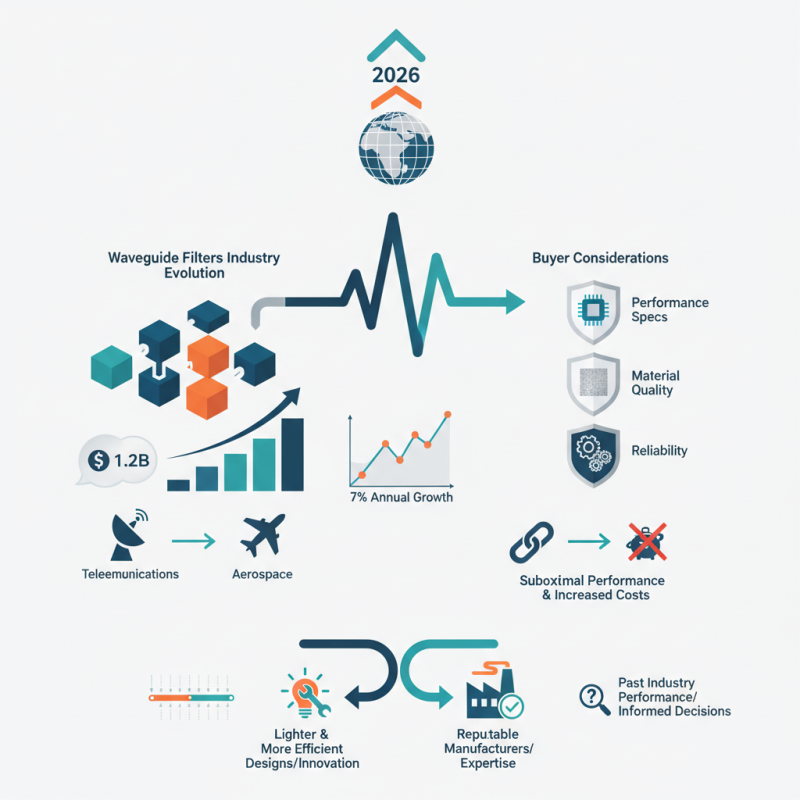
The waveguide filters industry is evolving rapidly, driven by advancements in technology and growing demand. In 2022, the global waveguide filters market was valued at approximately $1.2 billion. It is projected to grow nearly 7% annually through 2026, with key applications in telecommunications and aerospace industries. Waveguide filters are critical for managing frequency signals efficiently.
As we look ahead, buyers must consider multiple factors when choosing waveguide filters. Performance specifications, material quality, and reliability are crucial elements. Industry reports indicate that many consumers often overlook these details. This oversight can lead to suboptimal performance and increased costs. Manufacturers are also innovating to meet the rising expectations for lighter and more efficient designs.
Furthermore, while the current market offers a variety of options, not all products meet the highest standards. The inconsistency in quality can be concerning. Buyers should prioritize sourcing from reputable manufacturers known for their expertise and reliability in waveguide filters. Evaluating past industry performance can illuminate potential pitfalls and drive more informed purchasing decisions.
Overview of Waveguide Filters and Their Applications
Waveguide filters play a crucial role in global telecommunications and microwave technology. They facilitate the transmission of signals with minimal loss and high reliability. According to a 2022 market analysis, the waveguide filter market was valued at over $1 billion and is projected to grow by 8% annually. This growth reflects the increasing demand for efficient satellite communication and radar systems.
These filters are employed in various applications, including wireless networks, satellite links, and military systems. They help in managing signal integrity in harsh environments and dense urban areas. For instance, waveguide filters are essential for 5G infrastructure, ensuring signal clarity and bandwidth efficiency. Common types include low-pass, high-pass, and band-pass filters, each serving distinct purposes in frequency management.
While waveguide filters offer many advantages, challenges exist. Manufacturing precision can be a limiting factor, often leading to higher production costs. Market reports indicate that some manufacturers struggle with achieving the tight tolerances required for optimal performance. As technology evolves, ongoing research aims to address these challenges, ensuring waveguide filters continue to meet the demands of modern applications.
2026 Best Waveguide Filters Market Insights
Key Features to Consider in Waveguide Filters
When searching for waveguide filters, it's essential to consider various key features that ensure optimal performance. First, analyze the frequency range. Different applications require distinct frequency bands. A proper match can improve efficiency and reduce signal loss significantly.
Next, examine the insertion loss. Lower insertion loss is crucial for maintaining signal integrity. Look for filters that minimize this loss, but be aware that achieving ultra-low loss can complicate the design process. This requires balancing performance with manufacturing capabilities.
Tips: Always ask for performance data under real-world conditions. Simulation tests should complement lab results. Also, involve engineers in discussions to understand their specific requirements better.
Material quality also plays a vital role. High-quality materials enhance durability and consistent performance. Investigate the construction methods used, as they can impact long-term reliability. However, not every premium material guarantees superior performance in all settings.
Sometimes, manufacturers focus heavily on specs, neglecting practical usability. Real-life applications may reveal flaws not evident in data sheets. Collect feedback from other users helps reveal these insights and informs better choices.
Top Manufacturers of Waveguide Filters in 2026
The waveguide filter market is poised for significant growth in 2026. Key manufacturers are enhancing their expertise, driving innovation and improving product reliability. These companies focus on advanced materials and design techniques to boost performance. Various industries demand high-quality waveguide filters. This includes telecommunications, aerospace, and defense.
Leading manufacturers invest in research and development. They are committed to tackling challenges in filter design and integration. The need for smaller, lighter, and more efficient filters is pressing. Some firms are exploring novel shapes and structures. Yet, this path is not without hurdles. Technical limitations in manufacturing processes can restrict progress.
Market dynamics are shifting. Buyers seek not just functionality but also sustainability. Transparency in sourcing materials has gained importance. Companies must adapt to changing demands while maintaining quality. Challenges like global supply chain disruptions pose risks. Investors keep a close eye on emerging technologies. Waveguide filter manufacturers must reflect and innovate continually.
Market Trends and Innovations in Waveguide Filter Technology
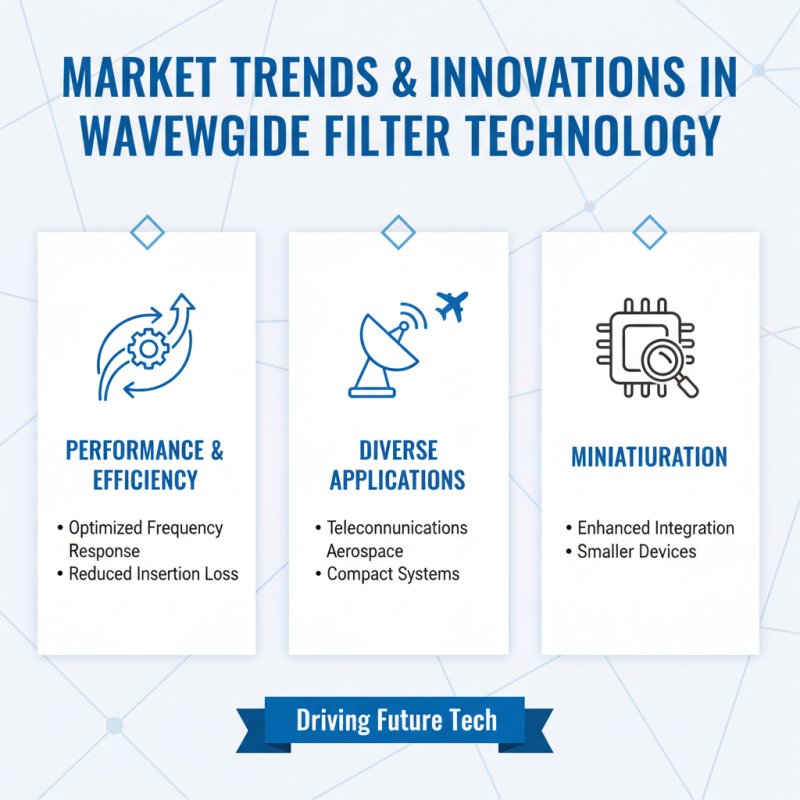
The waveguide filter technology is evolving rapidly, emphasizing performance and efficiency. Innovative designs have emerged, optimizing frequency responses and reducing insertion loss. These advancements cater to various applications, from telecommunications to aerospace. Manufacturers are focusing on miniaturization, which enhances integration into compact systems. This trend aligns with the growing demand for smaller devices without compromising performance.
Challenges remain, particularly in maintaining reliability under diverse environmental conditions. Testing methods must adapt to ensure consistent performance. As materials and technologies advance, engineers must stay vigilant about trade-offs between size, weight, and durability. The shift toward digital solutions also introduces complexities. These factors prompt continuous innovation in filter design, demanding relentless improvement from the industry.
Emerging trends indicate a greater emphasis on customizable solutions. Tailored waveguide filters can meet specific requirements for various industries. This customization often leads to increased costs and extended development timelines. However, the benefits of enhanced performance often justify these changes. Adapting to these market dynamics will be crucial for the success of waveguide filter technology in the coming years.
Buying Guide for Global Consumers of Waveguide Filters
When purchasing waveguide filters, consider crucial factors to make informed decisions. Understanding the frequency range of the filter is essential. Match it to the system requirements for optimal performance. Ensure that the cutoff frequencies align with your application needs.
Quality and construction matter too. Look for filters made from durable materials. They should withstand environmental stress. Reliable waveguide filters can enhance signal integrity. Explore options based on the intended environment, whether it’s laboratory, military, or commercial use.
Do not overlook customer feedback. Reviews can offer insights into performance and durability. Pay attention to any recurring issues mentioned by users. Consider support and warranty options, as they reflect manufacturer reliability. Making a strategic choice today can prevent regrets tomorrow. Waveguide filters are foundational components, and a wise selection leads to efficiency.