What is a Base Station Filter and How Does it Work?
Base Station Filters play a critical role in modern telecommunications. These filters ensure efficient communication by allowing specific frequencies to pass while blocking unwanted ones. Renowned expert Dr. Sarah Thompson from the Telecommunications Research Institute emphasizes this importance: "Effective filtering is the backbone of clear communication in our networks."
The function of Base Station Filters is not always straightforward. They require careful design to achieve optimal performance. Different types of filters exist. Some cater to high-frequency bands, while others manage low-frequency signals. This specialization can be a double-edged sword. Filters may struggle with unexpected signal interferences.
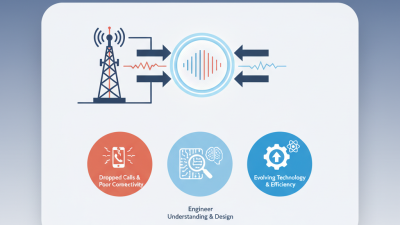
Understanding Base Station Filters involves recognizing their impact on network reliability. An ineffective filter can lead to dropped calls or poor data speeds. As technology evolves, so do the challenges. Engineers must continually adapt designs to meet these demands. The world of telecommunications relies heavily on these small yet vital components.
What is a Base Station Filter?
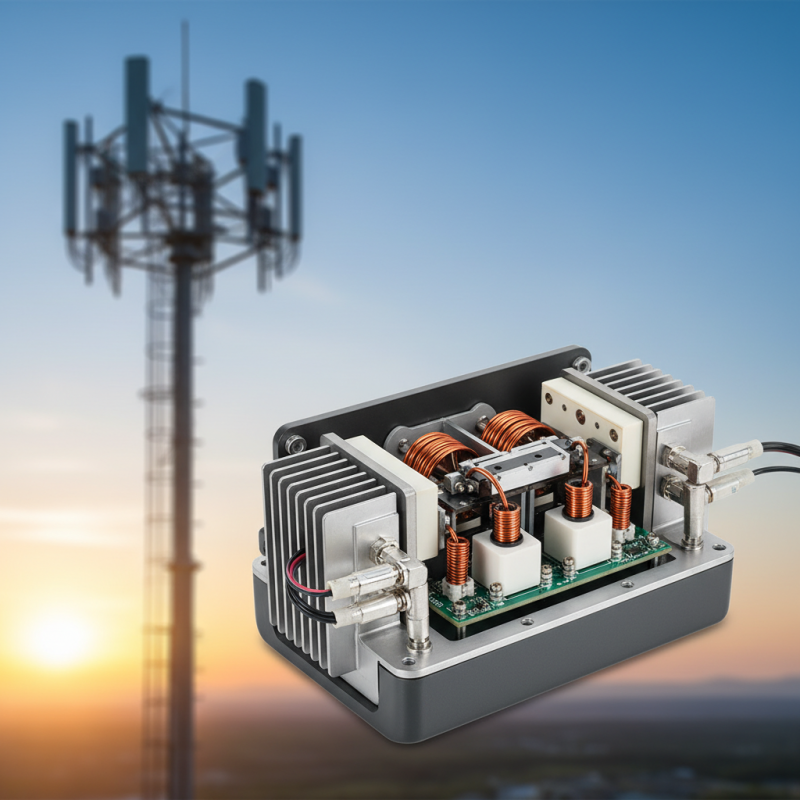
A base station filter is a crucial component in communication systems. It filters signals, allowing only specific frequencies to pass. This ensures clean communication by reducing unwanted noise and interference. Without it, signals could become distorted. The filter's design plays a significant role in its effectiveness.
Base station filters come in various types. Each type serves different purposes in frequency range and application. Passive filters use passive components like inductors and capacitors. Active filters utilize amplifying devices, providing better performance in some scenarios. The choice of filter impacts overall system quality.
Understanding a filter's function is vital for optimizing network performance. Filters can be complex, and misconfigurations can lead to problems. Engineers often face challenges in selecting the right filter. Inadequate filtering can lead to dropped calls or poor data speeds. Finding the balance between performance and cost is always a consideration.
Base Station Filter Performance Analysis
The Importance of Base Station Filters in Communication Systems
Base station filters play a crucial role in modern communication systems. These filters ensure that the signals transmitted and received are clear and free of interference. According to a report by MarketsandMarkets, the global market for telecommunications filters is expected to reach $4.5 billion by 2025. This statistic highlights the growing significance of these devices in managing communication channels effectively.
Effective filtering can enhance network performance significantly. In dense urban environments, interference can cause signal degradation. In fact, studies show that up to 20% of signal loss in densely populated areas can be attributed to interference. Base station filters help to mitigate this issue by allowing only specific frequency ranges to pass through, thus ensuring better signal integrity.
Despite their importance, not all base station filters are created equal. Some filters may not adequately address the specific challenges of a given environment. For instance, filters that work well in open areas may struggle in urban settings. Ongoing research and development are essential for improving these devices. Finding the right balance between cost and performance remains a focus in the industry.
How Base Station Filters Operate: A Technical Overview
Base station filters play a crucial role in wireless communication. They help manage the frequency spectrum effectively. These filters eliminate unwanted signals and reduce interference. By doing so, they enhance the performance of base stations. Proper filtering ensures that only the desired signals reach the equipment. This process increases the overall efficiency of wireless networks.
Understanding how these filters operate is essential. Base station filters utilize several technologies to separate frequencies. They can include passive or active components, depending on the application. Passive filters are often simpler and cheaper. Active filters, however, provide more control over the signal. Both types aim to isolate desired frequencies while rejecting others.
In some cases, filters may not perform ideally. Problems can arise from component tolerances or environmental factors. Filters may need regular maintenance to function correctly. Engineers must monitor their performance closely. Over time, changes in the signal environment may require adjustments. A filter that worked well yesterday might be less effective today. Understanding these nuances is key to maintaining reliable communication systems.
Types of Base Station Filters and Their Applications
Base station filters are essential components in communication networks. They help manage the signals that travel between cellular towers and devices. Often, these filters can be categorized into different types. Each type serves a specific purpose based on its design and application.
There are bandpass filters, which allow signals within a certain frequency range to pass through. They are ideal for minimizing interference. Low-pass filters, on the other hand, block high-frequency signals while allowing lower ones. This is useful for reducing noise in communication. High-pass filters do the opposite. They allow high-frequency signals through and block the low ones. These filters have important roles in various applications, including radio, TV broadcasting, and mobile communications.
In practical settings, the effectiveness of each filter can vary. Engineers often encounter challenges when selecting the right type. Sometimes, a filter may not perform as expected. Adjustments might be necessary to optimize its function. This process brings to light the complexity of managing frequencies in communication systems. Understanding the limitations of each filter type is crucial for achieving desired results.
Benefits of Utilizing Base Station Filters in Network Performance
Base station filters play a crucial role in enhancing network performance. They help reduce interference from unwanted signals. This improvement leads to clearer communications and increased data speeds. Many networks face issues with signal quality. Filters address these problems effectively, allowing users to experience faster connections.
Implementing base station filters can be quite beneficial. For instance, they improve the overall reliability of mobile networks. When interference is minimized, users enjoy fewer dropped calls. Additionally, these filters help in managing bandwidth better. This can lead to a smoother experience during peak usage times. However, not every network fully optimizes filter usage. Some overlook their importance, leading to less efficient operations.
In practice, achieving the desired performance from filters can be challenging. Not all environments react the same way to filtering solutions. Certain frequencies may still present issues even with filters in place. Moreover, the cost of implementation can be a concern for smaller operators. Evaluating network needs carefully is essential for effective deployment. In the long run, thoughtful application of filters can elevate network quality significantly.