What is Base Station Filters and How Do They Work?
In the rapidly evolving telecommunications landscape, "Base Station Filters" play a pivotal role. These filters are essential in enabling clear communication by reducing interference and enhancing signal quality. According to Dr. Emily Carter, a leading expert in telecommunications systems, "Base Station Filters are critical for ensuring that communication networks operate efficiently."
The functionality of these filters hinges on their ability to separate signals. In densely populated areas, multiple frequencies overlap, potentially causing disruption. Base Station Filters help mitigate this issue, ensuring users enjoy uninterrupted service. The need for such technology is increasingly pressing as the demand for high-speed connectivity grows worldwide.
Despite their importance, not all filters perform equally. Variability in components and design can affect efficiency. This inconsistency may lead to challenges, prompting engineers to rethink their approaches to filtering technology. As the industry advances, continuous improvement and innovation remain necessary to meet the ever-growing demands for data transmission.

Definition of Base Station Filters and Their Importance in Communication
Base station filters play a crucial role in modern communication systems. These filters help in managing and isolating specific frequency bands to ensure effective signal transmission. Their primary function is to minimize interference and maximally enhance the quality of the communication signal. According to a recent industry report, poorly filtered signals can lead to up to 20% loss in data transmission quality.
Effective base station filters are essential for improving network capacity. They allow multiple channels to operate simultaneously without interfering with each other. Studies indicate that the implementation of high-quality filters can increase the capacity of networks by 30% or more. This capability is increasingly important as more devices connect to networks daily.
While the technology behind base station filters is advanced, it is not without its challenges. Filters must be precisely designed to handle varying environmental conditions. Overcoming these hurdles requires ongoing research and development. The evolving nature of communication technology means that even the best filters may require upgrades to meet new standards. Engaging in this ongoing improvement process is vital for sustaining reliable communication.
Types of Base Station Filters and Their Applications in Wireless Networks
Base station filters are vital in wireless networks, ensuring signal clarity and reducing interference. They come in various types, with the most common being bandpass filters, high-pass filters, and low-pass filters. Bandpass filters play a pivotal role in selecting specific frequency bands used by mobile devices. Approximately 70% of base station issues relate to filtering challenges.
The application of these filters varies by need. High-pass filters are crucial for eliminating low-frequency noise. This is particularly important in urban environments where signals can overlap. According to recent industry reports, filters improve overall network performance by over 30%. Meanwhile, low-pass filters handle unwanted high-frequency signals, aiding in maintaining signal strength.
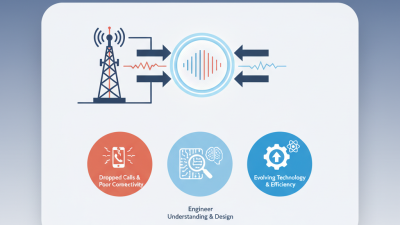
Base station filters also face challenges, such as needing regular upgrades due to evolving communication standards. A lack of adequate filtering can lead to dropped calls, affecting user experience. As wireless technology advances, the need for effective filtering solutions continues to grow, underlining the importance of investing in robust filter technologies.
What is Base Station Filters and How Do They Work? - Types of Base Station Filters and Their Applications in Wireless Networks
| Filter Type |
Frequency Range |
Insertion Loss |
Application |
| Low-Pass Filter |
0 - 1 GHz |
< 2 dB |
Base station RX paths |
| High-Pass Filter |
1 - 2.5 GHz |
< 3 dB |
Eliminating low-frequency interference |
| Band-Pass Filter |
900 MHz - 1.9 GHz |
< 1.5 dB |
Cellular networks |
| Notch Filter |
1.8 GHz |
< 0.5 dB |
Reducing specific frequency interference |
| Cavity Filter |
2.5 - 2.7 GHz |
< 1 dB |
Wi-Fi and LTE applications |
How Base Station Filters Work: Principles of Signal Processing
Base station filters play a crucial role in modern communication systems. These filters are essential for managing and enhancing signal quality. They isolate specific frequency bands, ensuring clean and interference-free signal transmission. By blocking unwanted frequencies, base station filters prevent overlapping signals from different sources. This improves the overall performance of the communication network.
The principle of signal processing in base station filters involves several steps. First, signal inputs are processed to identify the desired frequencies. Then, filters apply their designed characteristics to allow these frequencies while rejecting others. This results in a clearer signal for users. Engineers must carefully consider filter types, such as low-pass, high-pass, and band-pass filters, depending on specific needs. Each type has its advantages and limitations.
The effectiveness of these filters can vary. Optimization requires ongoing adjustments and real-time monitoring of network conditions. Sometimes, filters may not perform as expected in dynamic environments. This reveals the importance of continuous testing and refinement in signal processing strategies. Users often face challenges like signal degradation in dense urban areas. An understanding of base station filters and their functioning is key for improvement.
Key Benefits of Using Base Station Filters in Telecommunication Systems
Base station filters play a crucial role in telecommunications. They help manage frequency bands effectively. By reducing interference, these filters ensure clearer signals. This is vital for maintaining communication quality. As more devices connect to networks, the need for efficient filtering grows.
Using base station filters offers several key benefits. First, they improve signal integrity. This leads to enhanced call clarity and faster data speeds. They also minimize noise, which is especially important in crowded urban areas. Additionally, these filters help extend the life of equipment by protecting against harmful signals. The complexity of modern communication systems makes reliable filtering essential.
However, not all filters are created equal. The installation process can sometimes lead to technical challenges. Regular maintenance is necessary to ensure optimal performance. This oversight can lead to fluctuating signal quality and increased downtime. Such issues highlight the importance of thorough planning and understanding of specific telecommunication needs.
Factors Influencing the Design and Performance of Base Station Filters
Base station filters play a crucial role in modern telecommunications. They help to manage signal quality by eliminating unwanted frequencies. Several factors influence their design and performance. One key factor is the frequency range they need to filter. For example, 5G networks operate in a broader spectrum compared to previous generations, requiring more advanced filter designs.
Another important factor is the insertion loss of the filter. This loss impacts the overall efficiency of the communication system. According to a recent industry report, lowering the insertion loss by just 1 dB can enhance signal strength significantly. Designers must also consider temperature stability. Filters can shift in performance based on temperature fluctuations, which is critical for maintaining reliability in various environments.
Material selection also influences filter performance. Dielectric materials are commonly used, but their characteristics can lead to trade-offs in size and efficiency. The balance between compact design and performance is not always straightforward. Rethinking materials and methods is necessary as technology progresses. Emerging techniques, such as machine learning, are being explored to optimize filter designs. However, integrating these technologies presents its own challenges and uncertainties.
Base Station Filters Design Factors and Performance Insights