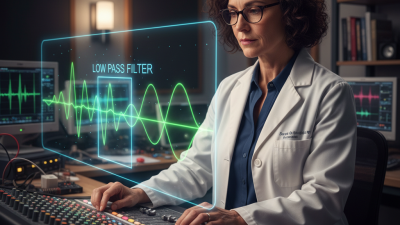
In the world of electronic design, the Low Pass Filter (LPF) stands as a vital tool. Experts like Dr. Samantha Hughes, an authority in signal processing, emphasize its importance. She states, "Low Pass Filters are essential for reducing noise and improving signal clarity." This statement highlights the critical role LPFs play in various applications.
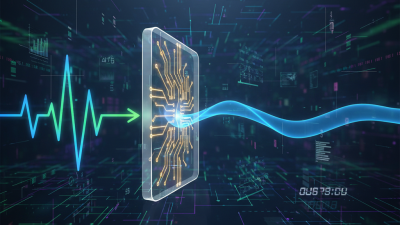
Low Pass Filters allow low-frequency signals to pass through while blocking higher frequencies. This capability is crucial in audio systems, communications, and even medical devices. Engineers often face challenges in achieving optimal performance, and LPFs can provide solutions. However, a poor design can lead to unintended effects such as distortion or excessive delay.
The benefits of using a Low Pass Filter are numerous. They include reduced noise, improved signal integrity, and better overall system performance. Yet, designers must approach LPF implementation with care. Each application's unique requirements demand thoughtful consideration. While LPFs are powerful, understanding their limitations is equally important.
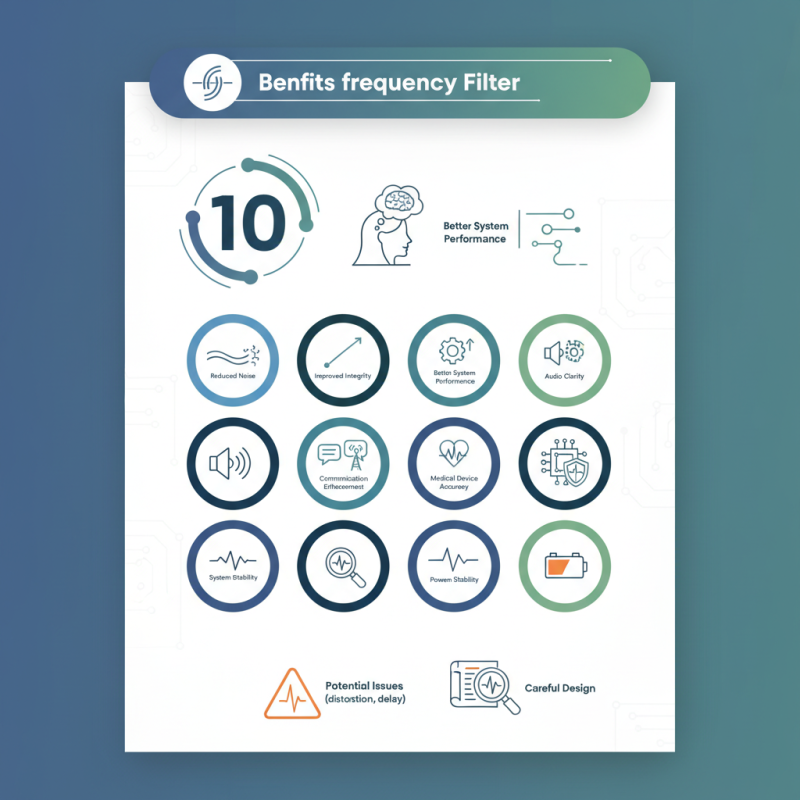
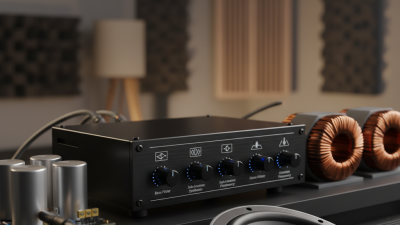
Low pass filters (LPFs) are essential in circuit design. They effectively reduce high-frequency noise, ensuring clean signals. This is vital for audio, communications, and sensor applications. By allowing low frequencies to pass while attenuating higher ones, LPFs enhance the overall performance of electronic systems.
Tips: When designing your circuit, always consider the cutoff frequency. This frequency determines how much noise gets filtered out. Choosing the right value is crucial for achieving optimal results. Additionally, ensure your circuit layout minimizes interference. Proper grounding significantly impacts filter efficacy.
The integration of LPFs can also unveil challenges. For instance, the filter's response may vary based on component tolerances. This can lead to unexpected behaviors in high-frequency performance. Testing different configurations and components is essential. Simulations might not reflect real-world conditions, so hands-on experimentation is key. Monitoring the output during this process can provide insights that improve your design.

Low pass filters (LPFs) play a crucial role in enhancing signal integrity. They effectively allow low-frequency signals to pass while blocking high-frequency noise. This selective capability leads to clearer data transmission, essential in various electronic designs. Engineers often face challenges with noise interference, which can distort signal quality. LPFs provide a practical solution by smoothing out unwanted frequencies.
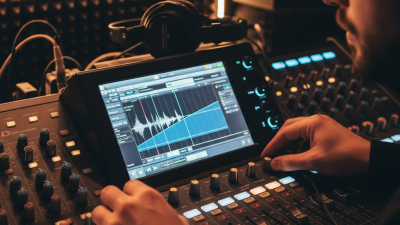
In many applications, the distinction between clean and corrupt signals can be subtle. Using a low pass filter can significantly reduce this complexity. For instance, in audio design, removing high-frequency interference helps deliver a more accurate sound experience. This approach not only improves performance but also builds trust in the system's reliability.
However, not every design benefits from LPFs. Overuse can lead to unintended signal delays. Engineers must find a balance between filtering and maintaining speed. Trials and adjustments may be necessary to achieve optimal performance. Embracing these challenges can lead to innovative solutions in signal processing design.
Low pass filters are economical tools in electronic design. They effectively reduce high-frequency noise, enhancing signal quality. This characteristic can save costs in post-processing and troubleshooting. Implementing these filters can lead to more robust designs that require fewer components.
Choosing low pass filters can minimize expensive design changes later. Reliable performance means reduced risk of product failure. This situation can save both money and time throughout the development cycle. Engineers often overlook this aspect, focusing on initial costs rather than long-term savings.
Consider evaluating the filter specifications closely. Assess your design needs to make informed choices. It's crucial to think critically about the balance between cost and functionality. Keep in mind that optimal design may require compromises, but low pass filters consistently deliver reliable results at a lower price point.
In modern electronic design, tailoring low pass filters to meet specific application needs is crucial. These filters can significantly enhance the performance of circuits by allowing only desired frequencies to pass while attenuating others. For example, a study from the IEEE reveals that customized low pass filters can improve signal-to-noise ratios by as much as 30%. This is particularly important in communications, where clarity and reliability are paramount.
Design flexibility is a key advantage. Engineers can adjust parameters like cutoff frequency and filter order to suit different applications, from audio processing to RF communications. However, this flexibility can sometimes lead to over-engineering. A recent report indicated that about 20% of low pass filter designs fail to meet their intended specifications due to excessive complexity. Designers must balance performance with simplicity.
Another notable point is the evolving technology in filter design. Software tools enable rapid prototyping and simulation, streamlining the iterative process. Yet, a reliance on automation might reduce critical thinking about design choices. Engineers still need to critically evaluate each design decision, ensuring that tailored filters serve their intended purpose effectively.
| Benefit | Description | Applications | Frequency Range |
|---|---|---|---|
| Noise Reduction | Low pass filters effectively reduce high-frequency noise from signals. | Audio processing, telecommunications | 0 Hz - 20 kHz |
| Signal Smoothing | They smooth out rapidly changing signals to provide a stable output. | Sensor data processing, control systems | 0 Hz - 10 kHz |
| Design Flexibility | Low pass filters can be tailored to meet specific application needs. | Custom electronics, RF applications | 1 Hz - 1 MHz |
| Phase Shift Control | They help manage phase shifts in signal processing to maintain integrity. | Audio engineering, data transmission | 10 Hz - 100 kHz |
| Cost-Effective | Low pass filters are generally inexpensive and easy to implement. | Consumer electronics, DIY projects | DC - 100 kHz |
| Improved Stability | They enhance the stability of electronic circuits under varying loads. | Power supply circuits, robotics | 0 Hz - 200 kHz |
| Better Control of System Response | They allow throttling of system response to changes in input. | Feedback systems, automation | 0 Hz - 50 kHz |
| Enhanced Signal Integrity | They help preserve the integrity of useful signal content. | Communications, measurement systems | 1 Hz - 30 kHz |
| Adaptable to Different Applications | Can be customized for various frequency ranges and requirements. | Medical devices, aerospace systems | DC - 10 MHz |
| Filtering Harmonics | They can remove unwanted harmonics from signals to enhance performance. | Pro audio equipment, electronic instruments | 0 Hz - 20 kHz |
Low pass filters (LPFs) are essential in modern electronics, serving diverse applications across various industries. They effectively remove high-frequency noise, ensuring signal integrity in audio devices and communication systems. According to a report by MarketsandMarkets, the global LPF market is expected to grow from $1.8 billion in 2022 to over $3 billion by 2027. This growth highlights their critical role in today's technology.
In telecommunications, LPFs are used to maintain clear communication signals. They reduce unwanted high-frequency signals that can distort audio and data. The demand for better mobile network performance drives the adoption of LPFs. A study by the International Telecommunication Union (ITU) indicates that 75% of network issues stem from signal interference. Proper implementation of LPFs can mitigate this problem significantly.
Healthcare devices, particularly in diagnostics, also benefit from low pass filtering. In medical imaging, LPFs help enhance image quality by reducing noise. This can improve diagnostics accuracy. A 2021 study published in the Journal of Biomedical Engineering noted that LPFs improved image clarity by 30% in specific imaging technologies. However, the design of LPFs must consider trade-offs in performance and complexity. Balancing these factors is crucial for optimal device functionality.