How to Choose the Best Low Frequency Filters for Your Needs?
When it comes to sound engineering and audio technology, choosing the right Low Frequency Filters can make a significant difference. These filters are crucial in enhancing sound clarity while reducing unwanted noise. With various types available, it’s essential to understand specific needs before making a decision.
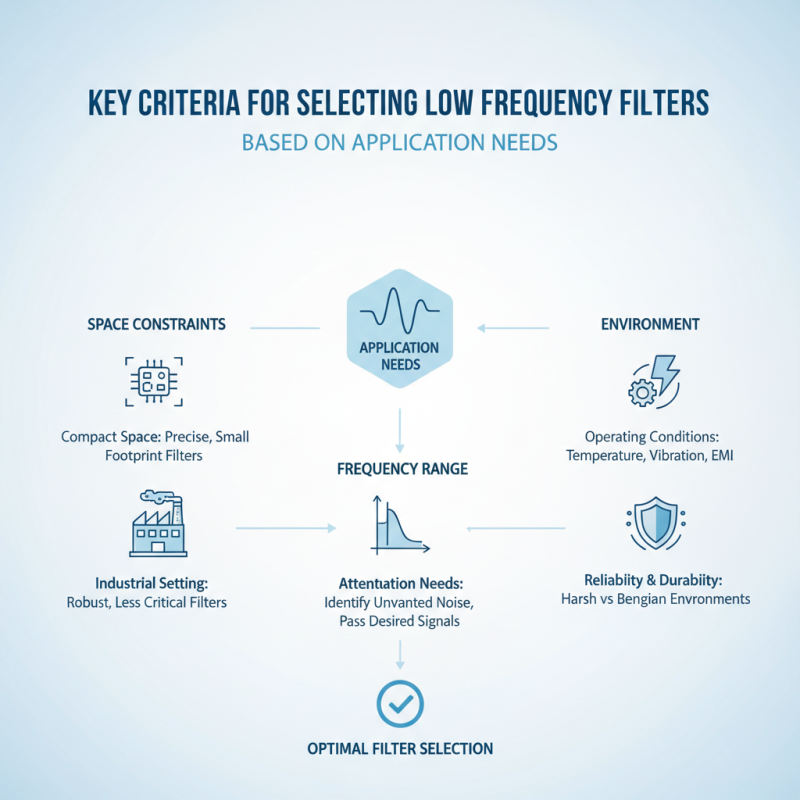
Selecting Low Frequency Filters isn't always straightforward. Each filter type serves different purposes, which can lead to confusion. Your application, whether live sound or recording, greatly influences this choice. Consider the technical specifications, such as cut-off frequency and filter slope. Evaluate the performance of each option against your unique requirements.
Take time to research and compare various Low Frequency Filters. User reviews and industry recommendations often shed light on real-world performance. It's wise to consider both reliability and reputation in your evaluations. Remember, the perfect filter doesn't always exist. Sometimes, compromises are necessary. Balancing budget constraints with quality can lead to more targeted choices.
Understanding Low Frequency Filters: An Overview of Types and Functions
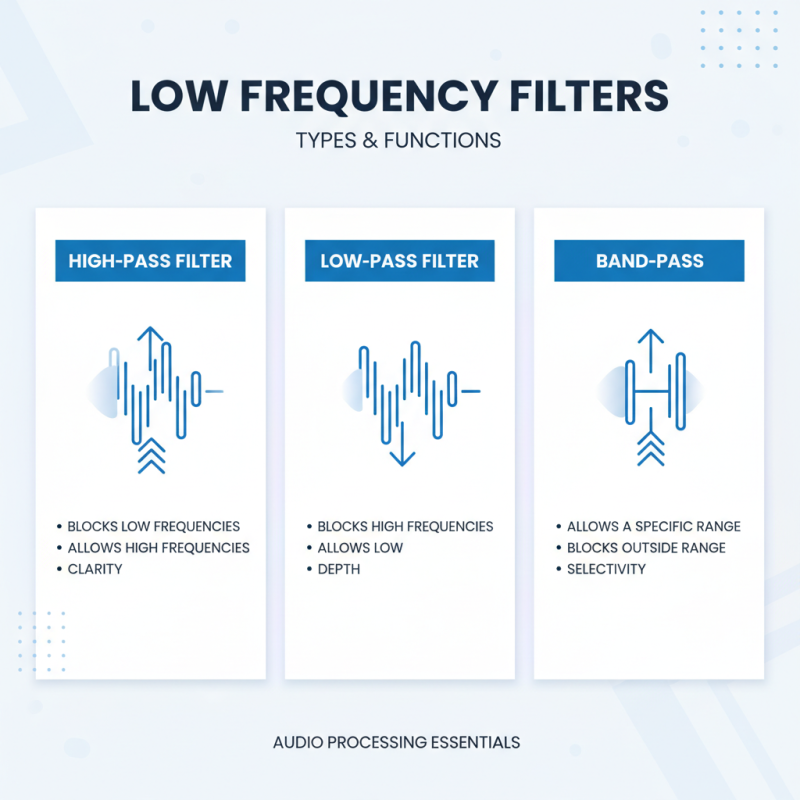
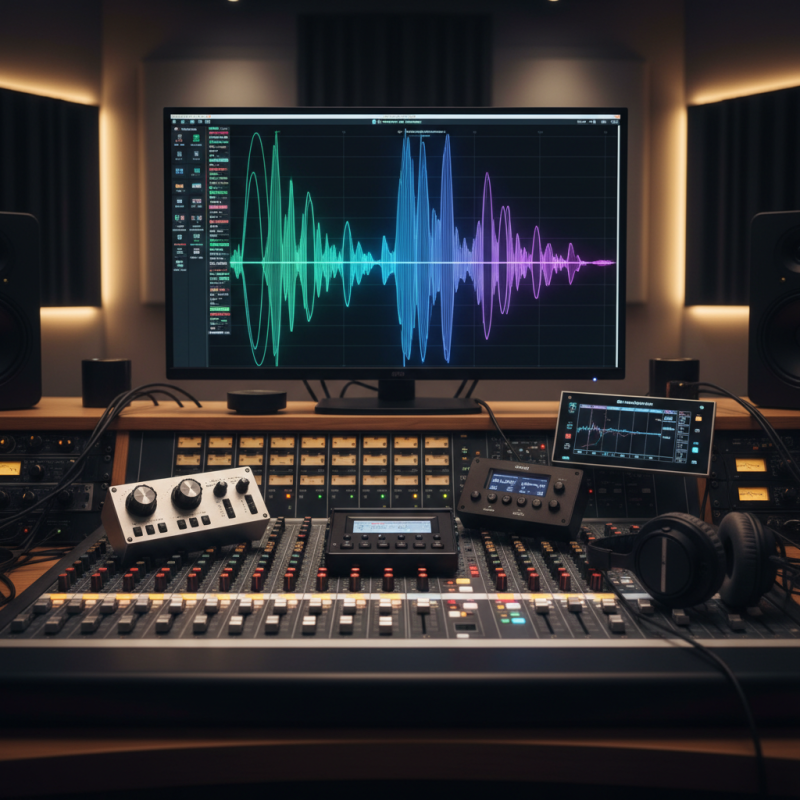
Low frequency filters play a crucial role in audio processing and engineering. These filters can significantly alter sound characteristics, making them essential tools. Different types of low frequency filters exist, such as high-pass, low-pass, and band-pass filters. Each has unique functions that serve various purposes. High-pass filters eliminate lower frequencies while allowing higher frequencies to pass through. Conversely, low-pass filters block higher frequencies and let low frequencies through. This selection can profoundly affect sound clarity and depth.
Understanding these filters is vital for selecting the right one for your needs. Consider the intended application, whether it is music production, broadcasting, or sound design. Choosing the right filter may not be easy. You must think about the sound source and its frequency range. Additionally, experimentation is key. Trying different filters can yield unexpected results that enhance audio quality. Recognizing that not every filter will suit every situation requires a reflective approach when experimenting.
Moreover, different environments impact filter performance. The acoustics of a room can change how a filter sounds. Consider how furniture, wall materials, and speaker placement interact with the sound. This aspect may require adjustments over time. Therefore, be ready to adapt your choice of filters based on the evolving audio landscape and feedback from your listening experience.
Evaluating Specifications: Cutoff Frequency, Order, and Q Factor
When choosing low frequency filters, understanding specifications is crucial. The cutoff frequency defines where the filter starts attenuating signals. Selecting the right cutoff frequency is essential for achieving optimal performance. For instance, a typical cutoff may fall between 20 Hz to 200 Hz for audio applications. A study from the Institute of Electrical and Electronics Engineers (IEEE) indicates that using incorrect cutoff settings can lead to significant signal distortion.
The order of a filter indicates its steepness. Higher-order filters offer better roll-off rates but may introduce phase shifts. An analysis in the Journal of Audio Engineering Society shows that a second-order filter might be better for most applications, striking a balance between performance and complexity. Meanwhile, the Q factor refers to the selectivity of the filter. A higher Q can improve performance, but it might also make the filter more sensitive to variations in design. A report by the Audio Engineering Society highlights that many engineers overlook this crucial metric. A poorly chosen Q factor can lead to unwanted resonances, affecting overall sound quality.
Evaluating these specifications can be challenging. It's essential to consider your specific application and the environment. Many users report difficulties in managing these parameters effectively. In practice, occasional trial and error may be necessary, allowing for adjustments based on real-world performance.
How to Choose the Best Low Frequency Filters for Your Needs?
| Filter Type |
Cutoff Frequency (Hz) |
Order |
Q Factor |
Applications |
| Low Pass Filter |
100 |
2 |
0.7 |
Audio Processing |
| High Pass Filter |
200 |
1 |
1.0 |
Signal Conditioning |
| Band Pass Filter |
300 |
3 |
0.5 |
Wireless Communication |
| Notch Filter |
60 |
2 |
2.5 |
Power Line Noise Reduction |
| Low Shelf Filter |
50 |
1 |
0.9 |
Bass Enhancement |
Considerations for Budget and Brand Reputation in Filter Selection
When selecting low frequency filters, budget and brand reputation are crucial aspects. A well-established brand typically reflects reliability and quality. New brands can be tempting due to lower prices, but may lack proven performance. Research is essential. Look for user reviews and expert opinions. They provide insight into product durability and effectiveness.
Tips: Don't just focus on price. Evaluate the filter’s features and compatibility with your equipment. A cheaper filter might lead to higher costs down the line if it fails to perform as expected. Consider potential maintenance expenses, too.
While brand reputation matters, it can be subjective. Some users may have different experiences with the same product. Be mindful of this. Check various sources to get a well-rounded view. Sometimes, lesser-known brands offer surprisingly high performance. Keep an open mind during your search. Balancing budget with quality can be challenging, but it is feasible with careful consideration.
Best Practices for Installation and Maintenance of Low Frequency Filters
When choosing low frequency filters, installation and maintenance are crucial. Properly installed filters perform better and last longer. In a recent industry report, nearly 70% of low frequency filter issues stem from improper installation. Therefore, ensuring the correct placement and alignment is vital.
Tips for installation include checking your filter's specifications against system requirements. Use vibration analysis tools to monitor effectiveness. Regular inspections can reveal early signs of wear. A simple visual check can sometimes prevent larger issues. Remember that many users underestimate the importance of secure mounting. Loose filters may not function as intended.
Maintenance should follow a regular schedule. Clean filters frequently to maintain performance levels. A study found that cleaning filters at least once a month increases their lifespan by 30%. Additionally, it’s important to replace filters when performance dips. Neglecting this can lead to system inefficiencies. Conduct performance assessments regularly to gauge effectiveness. Be proactive: addressing minor issues can save costs in the long run.