Leave Your Message

How to Choose Low Frequency Filters for Your Applications?

Choosing the right Low Frequency Filters is essential for various applications. These filters play a critical role in optimizing signal quality. They can eliminate unwanted noise and enhance desired signals in diverse electronic devices.

Understanding the specifications of Low Frequency Filters can be daunting. Each application may require different filtering parameters. For example, the cut-off frequency, slope, and type of filter can significantly affect performance. Many users face challenges in selecting the appropriate filter without adequate information.

Testing and reflection are crucial in this decision-making process. Users must assess the specific needs of their applications. Consulting experts or literature can provide insights into effective filter selection. In this evolving field, staying informed is vital to achieve superior results. Making educated choices will enhance the overall effectiveness of electronic systems.
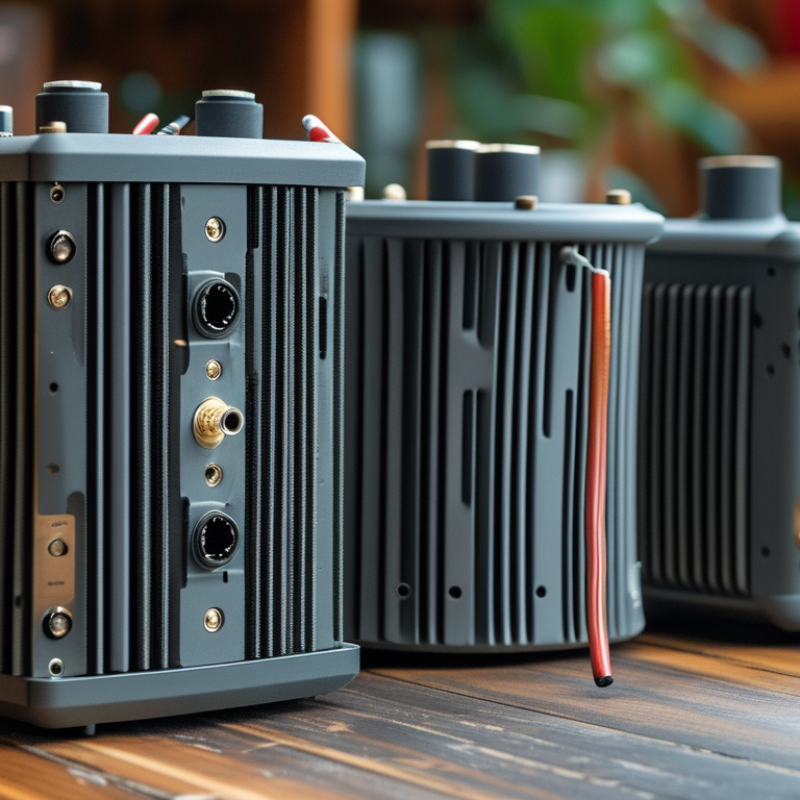
How to Choose Low Frequency Filters for Your Applications?

Understanding Low Frequency Filters: Definitions and Types

Low frequency filters are crucial in various applications, from audio processing to industrial equipment. Understanding their definitions and types is essential for making informed choices. These filters typically target signals below a certain frequency, mitigating unwanted noise in sensitive systems. According to a report by Markets and Markets, the global low frequency filter market is expected to grow at a CAGR of 6.5% from 2021 to 2026.

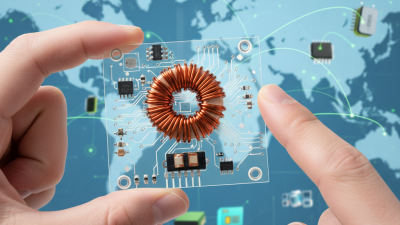
Types of low frequency filters include passive and active designs. Passive filters use resistors, capacitors, and inductors to achieve their effects. These components can effectively block higher frequencies while allowing lower ones to pass through. Active filters, on the other hand, employ amplifying devices such as operational amplifiers. They can provide more control over the filter characteristics. A technical study showed that active low frequency filters can reduce signal distortion significantly compared to passive designs.

Choosing the right filter requires understanding your specific needs. Factors include frequency response, cost, and simplicity. A common mistake is overcomplicating the design. Some applications benefit from simple passive filters, while others may require active solutions for superior performance. However, the transition from one type to another isn’t straightforward and may require in-depth testing and adjustment. Ensuring that the filter meets performance standards is vital for system reliability and efficiency.
Low Frequency Filters Performance Comparison

This chart compares the attenuation levels (in dB) of different types of low frequency filters (RC, LC, and Active filters) at various frequencies (10 Hz, 50 Hz, 100 Hz, and 200 Hz). The results indicate how effectively each filter type reduces signal strength at low frequencies.

Factors to Consider When Selecting Low Frequency Filters

Choosing low frequency filters requires careful analysis of specific application needs. Key factors include operating frequency range, filter type, and insertion loss. According to industry reports, filters with a lower cutoff frequency often exhibit a significant gain in terms of signal attenuation. Many applications demand good stopband performance to avoid unwanted frequencies, which can interfere with signal integrity.

Another important consideration is the filter's size and integration capabilities. Reports indicate that miniaturization has become crucial for modern electronics. Smaller filters can significantly reduce the overall footprint of devices. However, smaller components can lead to challenges in heat dissipation.

Moreover, environmental factors should not be overlooked. Filters might be exposed to varying temperature ranges and humidity levels. Selecting a filter that can withstand these conditions is essential. Engineers often face obstacles when ensuring long-term reliability. This requires a balance between performance metrics and practical usage scenarios. Regular testing and adjustments may be necessary to optimize filter selections based on specific operational environments.

How to Choose Low Frequency Filters for Your Applications? - Factors to Consider When Selecting Low Frequency Filters

Filter Type Cutoff Frequency (Hz) Insertion Loss (dB) Ripple (dB) Operating Temperature (°C)
First Order Low Pass 100 3.0 1.5 -40 to +85
Second Order Low Pass 200 3.5 1.2 -40 to +85
Active Low Pass Filter 150 3.2 0.5 -40 to +105
Passive Low Pass Filter 250 6.0 2.0 -25 to +70

Evaluating Performance Characteristics of Low Frequency Filters

When evaluating low frequency filters, several performance characteristics become crucial. These filters serve essential roles in various applications, such as audio processing, signal analysis, and communication systems. Understanding how these filters respond to different frequencies can help you choose the right one for your needs. Factors like cutoff frequency, roll-off characteristics, and insertion loss are key metrics to consider.

Cutoff frequency determines the point at which the filter begins to reduce signal strength. A well-defined cutoff frequency allows for more controlled filtering. It's important to consider how the slope of the roll-off impacts signal integrity. Steeper roll-off provides more efficient filtering but may introduce phase shifts that could affect system performance. Assessing insertion loss helps gauge how much signal is lost when passing through the filter. It’s essential not to overlook these aspects, as they can greatly influence your results.

Choosing the right low frequency filter can be challenging. Pay attention to the application-specific requirements. Take time to test different filter designs. Sometimes, options that seem ideal on paper may not perform as expected in real-world conditions. Experiment with different configurations and analyze how they impact your overall system. Prioritizing a thorough evaluation can lead to improved outcomes.

Applications and Use Cases for Low Frequency Filters

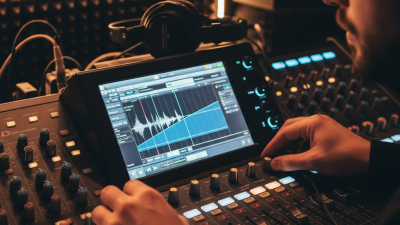
Low frequency filters are essential in various applications such as audio processing, communications, and medical devices. In audio systems, they minimize unwanted low-frequency noise, improving sound clarity. Reports indicate that poor equipment can reduce audio quality by over 30%, making appropriate filtering crucial.

In communications, low frequency filters help in data integrity. They remove interference that can corrupt signals. According to industry studies, up to 25% of data loss in communication can be attributed to inadequate filtering. Medical devices also rely on low frequency filters. For instance, ECG machines utilize these filters to ensure accurate heart rate readings by eliminating noise from muscle movements.

To choose the right filter, consider your specific application needs. Assess the frequency range and attenuation characteristics. It's vital to understand the environment where the filter will operate. For instance, high electromagnetic interference may require a more robust filter design.

Reflect on your design choices. Sometimes, the more complicated the filter, the more potential issues could arise. A simpler filter may suffice, saving costs and reducing complexity. A thoughtful approach can lead to better performance and reliability. Balancing effectiveness and efficiency is key.

Best Practices for Implementing Low Frequency Filters in Systems

When implementing low frequency filters, understanding the application is crucial. These filters can dampen unwanted noise and improve signal clarity. Begin by assessing the specific requirements of your system. Consider the frequency range that needs filtering. Are you targeting specific frequencies, or is it a broader spectrum? Knowing your goals shapes your filter choice.

Components play a significant role in filter performance. Choose resistors, capacitors, and inductors wisely. Quality components improve reliability and ensure consistent performance. But even high-quality components can have limitations. Testing various configurations can reveal unexpected challenges. Monitor how temperature or load affects filter behavior. This trial-and-error process is valuable for refining your design.

Documentation is often overlooked but is essential in filter implementation. Maintain clear records of test results and adjustments. This practice enhances your understanding of the filter's behavior over time. It can also aid others who may work with your designs in the future. However, expect some degree of uncertainty. Each application has unique variables, and there may be a learning curve involved. Embrace the process, as it deepens your expertise and ultimately leads to better outcomes.