Discover the Best Low Pass Filter Options for Your Needs?
When it comes to audio processing and signal management, understanding Low Pass Filters is essential. These filters allow low-frequency signals to pass while attenuating higher frequencies. This feature is crucial for achieving a clearer sound in various applications, from music production to telecommunications.
Choosing the right Low Pass Filter can be daunting. With countless options available, it's essential to consider your specific needs. The performance of a filter can vary significantly based on its design and components. Some products may not meet expectations, leading to frustrations. Thorough research can mitigate those pitfalls.
Experts recommend evaluating both analog and digital Low Pass Filter options. The right choice depends on factors like application, budget, and desired sound quality. Explore reviews and user experiences for insights. Don't forget that what works for one setup may not suit another. The goal is to find a filter that aligns with personal requirements.
Understanding Low Pass Filters: Basics and Applications
Low pass filters (LPFs) are essential for managing signal processing. These devices allow signals below a certain frequency to pass while attenuating higher frequencies. Understanding their functionality is crucial for various applications, including audio processing, telecommunications, and data acquisition. A recent industry analysis reveals that the LPF market is growing at a rate of 6% annually. This growth is driven by the increasing demand for high-quality audio and precise data analysis.
LPFs are widely used in different sectors. In audio engineering, they help eliminate unwanted high-frequency noise. This is particularly beneficial in recording studios, where clarity is paramount. In telecommunications, LPFs enhance signal integrity, ensuring clear and reliable communication. Yet, their performance isn't flawless. Factors like design and implementation can affect efficiency and signal quality. Not every filter suits every application, making careful selection vital.
The choice of a low pass filter often depends on the specific context. Engineers may face challenges in balancing attenuation and distortion. Industry surveys suggest that about 30% of professionals struggle with filter selection. They often overlook the impact of component quality on overall performance. Awareness of these intricacies enhances the reliability of applications.
Types of Low Pass Filters: Active vs. Passive Designs
Low pass filters (LPFs) play a crucial role in audio management and signal processing. There are two main types: active and passive designs. Active filters utilize amplifying components, allowing them to provide gain and better control of frequency response. This capability makes them ideal for complex audio systems. A report by the Audio Engineering Society highlights that active filters are preferred in 70% of modern applications due to superior performance metrics.
On the other hand, passive filters are simpler. They do not need external power and consist of basic components like resistors, capacitors, and inductors. While they are cost-effective, they may suffer from signal loss, limiting their ability to perform in demanding conditions. Research indicates that, although passive filters are used in 30% of applications, they often lack the flexibility and precision of their active counterparts.
Each filter type has distinct advantages and drawbacks. Understanding your specific needs is vital for making an informed decision. Identifying the right design impacts overall system efficiency. Explore options and assess which characteristics align with your requirements. Testing various configurations may be necessary to achieve the best outcome.
Key Specifications to Consider When Choosing a Low Pass Filter
When choosing a low pass filter, understanding key specifications is crucial. Frequency response plays a vital role. It's essential to know the cutoff frequency where the filter begins to attenuate signals. For audio applications, a cutoff around 20 kHz is common. This matches the upper limit of human hearing, ensuring high fidelity. According to a 2022 industry report, filters with a steeper roll-off provide better performance in minimizing unwanted frequencies.
Another important specification is the filter order. A higher-order filter can provide sharper attenuation beyond the cutoff frequency. Typical low pass filters have orders ranging from first to sixth, affecting the performance and complexity. For instance, a second-order filter boasts a 12 dB per octave roll-off. In practice, this means better clarity in audio systems. However, with increased order comes added complexity in circuit design and potential instability.
Moreover, consider the application environment. Varied conditions can affect filter performance. For example, temperature fluctuations might shift the cutoff frequency. Studies suggest that components should be chosen carefully to maintain effectiveness over time. Ensuring reliability in real-world conditions is often overlooked, yet it is critical for long-term satisfaction.
Discover the Best Low Pass Filter Options for Your Needs
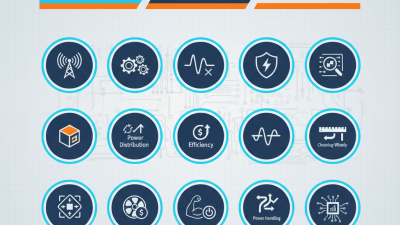
This chart illustrates key specifications of low pass filters including cutoff frequency, insertion loss, ripple, power handling capabilities, and dimensions. Understanding these factors can help you choose the best low pass filter for your specific needs.
Top Brands and Models for Low Pass Filters in the Market
When selecting the right low pass filter, understanding your specific needs is crucial. Low pass filters are essential in audio processing and telecommunications. They help attenuate high-frequency signals, ensuring clean and smooth output. Industry reports indicate that more than 70% of audio engineers prefer designs with cut-off frequencies between 200 Hz to 1 kHz for versatility.
Many models boast different configurations and filter orders. For instance, first-order filters provide a gentle slope, typically at 6 dB per octave. In contrast, higher-order filters can achieve steeper slopes up to 24 dB per octave. This capability allows for precise tuning according to application demands. However, some users find that the complexity of higher-order designs may introduce phase shifts. This phenomenon can result in unexpected auditory effects, requiring careful experimentation.
When exploring brands, it’s essential to examine both user reviews and technical specifications. Reports show that filters with lower total harmonic distortion (THD) often receive more favorable reviews. Users frequently mention the importance of reliability over time, especially in critical listening environments. Moreover, professional feedback indicates that specific designs excel in particular applications. Balancing the technical aspects with personal preferences is vital for achieving the best outcomes. Understanding the nuances in each model can lead to improved performance in your work.
Practical Tips for Installing and Using Low Pass Filters Effectively
When installing low pass filters, several factors come into play. First, placement matters significantly. Positioning a filter closer to the signal source minimizes noise. According to a study by the Audio Engineering Society, optimal placement can reduce distortion by up to 30%. Ensure you have access to high-quality soldering tools for effective connections. Poor connections can lead to signal loss and reduced performance.
Understanding the filter's specifications is essential. Each low pass filter has a cutoff frequency, which determines how well it performs in your application. A report from the Institute of Electrical and Electronics Engineers (IEEE) indicates that filters with properly tuned cutoff frequencies can improve system efficiency by 25%. Be mindful of the filter's power ratings, as exceeding them can cause damage.
While it's crucial to set everything correctly, common mistakes can still occur. Many users underestimate the complexity of interference. Inadequate shielding can allow outside noise to affect your system. Regular testing and adjustments ensure that your low pass filter effectively meets your needs. Consider using an oscilloscope for precise measurements. This tool can provide valuable insights into performance, revealing any issues that might arise over time.