How to Choose the Best Dielectric Filters for Your Needs?
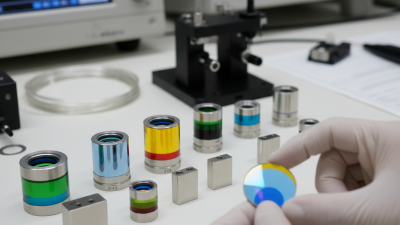
Choosing the best dielectric filters can be a challenging task. With numerous options available, understanding your specific needs is essential. Dielectric filters play a crucial role in various applications, particularly in telecommunications and optical systems. They help select or reject certain wavelengths of light, ensuring clarity and accuracy.
When selecting dielectric filters, consider factors like wavelength range, bandwidth, and transmission efficiency. These elements can significantly affect performance. It's also important to evaluate the filter's durability and environmental resistance. Not all filters are created equal. Some may offer superior performance in certain applications but fall short in others.
Reflect on your requirements carefully. What's suitable for one project may not work for another. Seek advice from experts and test different options if possible. They can provide valuable insights and recommendations tailored to your situation. Remember, making an informed choice about dielectric filters involves understanding the nuances of the technology and your specific application needs.
Understanding Dielectric Filters and Their Applications
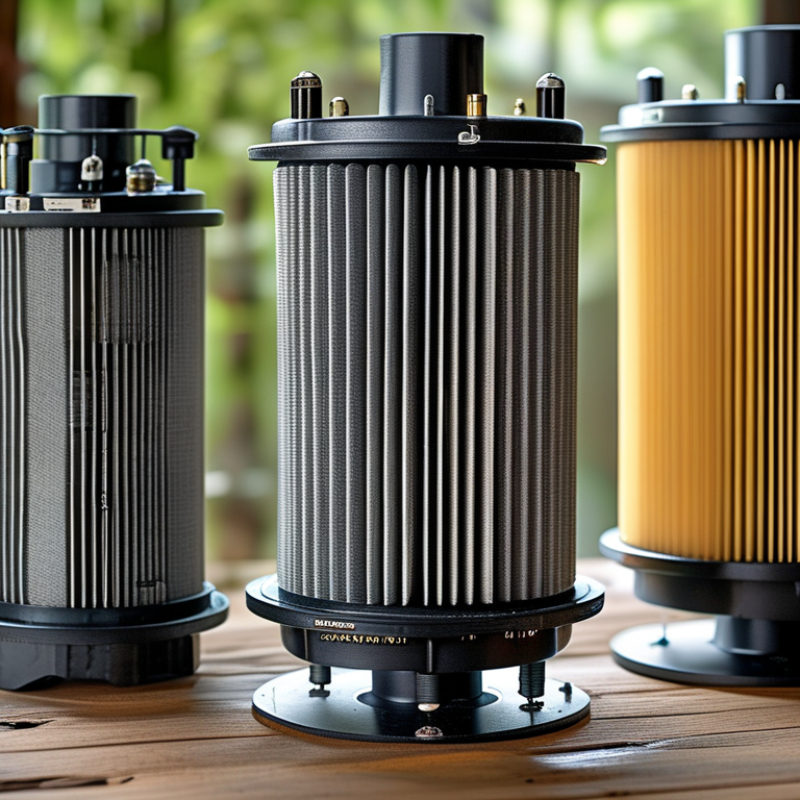
Dielectric filters are crucial in various applications, including telecommunications and optical devices. These filters control the passage of light based on its wavelength. Understanding their function helps in selecting the right filter for any project.
The principles behind dielectric filters involve thin-film interference. Layers of dielectric materials reflect and transmit specific wavelengths. This creates sharp and well-defined filter characteristics. In practical terms, they are used in laser systems, spectral imaging, and even in some medical devices. Choosing the right dielectric filter requires a solid grasp of these applications.
Consider the environment in which the filter will operate. Will it experience high temperatures or varying humidity? These factors can affect the filter's performance. Testing filters under different conditions can be revealing. Observing how a filter performs in real-world scenarios is often more informative than theoretical knowledge alone. That said, many users overlook these aspects, leading to unsatisfactory outcomes.
Key Factors to Consider When Choosing Dielectric Filters
When selecting dielectric filters, several key factors must be considered to ensure optimal performance. Frequency range is crucial. Many applications require specific bands, and a mismatch can lead to performance issues. Reports show that improper frequency alignment can result in signal loss of up to 30%. Understanding the operating frequency of your system will help you avoid such pitfalls.
Another important factor is insertion loss, which directly impacts the efficiency of your system. Lower insertion loss means better signal integrity. Data indicates that an increase of 1 dB in insertion loss can decrease overall system performance by 10%. Additionally, environmental conditions should not be overlooked. Factors like temperature and humidity can affect filter performance. Filters not rated for specific conditions may fail, leading to unexpected downtime.
Last, consider the physical size and mounting options of the dielectric filters. Limited space can constrain choices and affect installation. Look for filters that comply with industry standards. While numerous resources claim superior performance, it’s essential to evaluate specifications carefully. Not all filters meet the rigorous demands of various applications. Taking time to analyze these factors can make a significant difference in overall efficiency and reliability.
Types of Dielectric Filters and Their Unique Features
Dielectric filters are crucial in many optical applications. They separate different wavelengths of light effectively. Understanding their types helps you choose the right one.
Common types include bandpass, longpass, and shortpass filters. Bandpass filters let specific wavelengths through while blocking others. They are perfect for applications needing precise color selection. Longpass filters transmit wavelengths above a certain threshold. These are great for eliminating unwanted lower wavelengths. Shortpass filters work the opposite way, blocking higher wavelengths. Each type has unique features and applications.
When selecting a dielectric filter, consider the specific needs of your project. Parameters like the wavelength range and transmission efficiency must align with your goals. Sometimes, there are trade-offs between performance and cost. Additionally, understanding your environment can influence choices. Different settings may require varying filter characteristics. A thoughtful approach leads to better outcomes.
How to Choose the Best Dielectric Filters for Your Needs? - Types of Dielectric Filters and Their Unique Features
| Type of Dielectric Filter |
Cut-off Wavelength |
Transmission Rate |
Applications |
Unique Features |
| Bandpass Filter |
400 nm - 700 nm |
80% - 90% |
Fluorescence Imaging |
High selectivity for specific wavelengths |
| Low-pass Filter |
Above 500 nm |
70% - 85% |
Optical Sensing |
Removes high-frequency noise |
| High-pass Filter |
Below 600 nm |
75% - 88% |
Laser Applications |
Blocks low-frequency variations |
| Notch Filter |
Centered at 550 nm |
60% - 75% |
Spectroscopy |
Strong rejection of specific wavelengths |
Evaluating Performance Specifications of Dielectric Filters
When evaluating dielectric filters, performance specifications play a critical role. These filters are essential in various applications, from telecommunications to medical devices. Understanding these specifications helps you select the right filter for your specific needs.
The key specifications to examine include passband width, insertion loss, and rejection ratio. Passband width indicates how much frequency range the filter can transmit without significant attenuation. A narrow passband may offer better selectivity but often at the cost of insertion loss. Insertion loss itself affects signal strength, making it crucial to balance between acceptable loss and performance. Meanwhile, the rejection ratio reveals how well the filter attenuates unwanted frequencies, ensuring good signal clarity.
However, navigating these specifications can lead to confusion. Not all applications require the highest numbers across these metrics. For example, a filter with a high rejection ratio might not be necessary for low-noise applications. Understanding the specific context of your use case is vital. Reflecting on your end requirements will guide you toward the best choice while avoiding potential pitfalls like overspending on unnecessary features.
Tips for Implementing Dielectric Filters in Your System
When implementing dielectric filters in your system, consider the specific frequency ranges you need to filter. Different applications may require different bandwidths. It's crucial to select filters that align with your operational parameters. A mismatch can lead to performance issues. Test the selected filters under real conditions to ensure they perform as expected. Trial and error can help refine your choices.
Installation plays a significant role in the effectiveness of dielectric filters. Ensure correct positioning and connections to avoid interference. Each component in your setup should be compatible. Regular monitoring after installation is essential. Sometimes, you might find discrepancies in performance. Documenting these can help you identify patterns and make necessary adjustments.
Lastly, keep abreast of technological advancements. The field of dielectric filters is continually evolving. Staying updated can enhance your system’s capability. Attend workshops or webinars focused on dielectric technology. Engage with experts to share insights and best practices. Collaboration can often lead to improved implementation strategies.