2026 Top Applications of Dielectric Filters in Modern Technology?
Dielectric filters have become crucial components in modern technology. Their unique properties allow for precise control of frequency signals. This versatility enables applications across various sectors, including telecommunications and medical devices.
The demand for dielectric filters is growing rapidly. These filters are commonly found in smartphones, ensuring clear communication. Additionally, they play a vital role in automotive technology, enhancing navigation systems. Industries increasingly rely on their efficiency and reliability, showcasing their significance.
However, advancements also come with challenges. The design and manufacturing processes can be complex. Ensuring quality control is essential for optimal performance. As technology evolves, ongoing research is necessary to address these issues and enhance dielectric filters further. Their future impact in high-tech applications is promising yet requires careful consideration.
Overview of Dielectric Filters and Their Principles of Operation
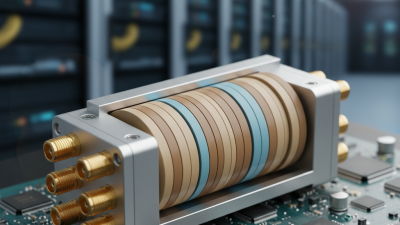
Dielectric filters are essential components in modern technology. They selectively transmit certain frequencies while blocking others. This principle relies on the material’s ability to store and release electrical energy. Materials like ceramics and polymers are commonly used. Their effectiveness hinges on the dielectric constant, loss tangent, and physical thickness.
Tips: Consider the application needs when choosing a dielectric filter. The wrong selection can lead to poor performance.
These filters enhance communication systems, improving signal clarity. In optical applications, they filter light wavelengths precisely. However, designing these filters comes with challenges. Variations in environmental conditions can affect their performance. Engineers must account for these factors to ensure reliability.
Tips: Regular testing can help identify potential issues early. This practice improves long-term performance and prevents costly failures.
Key Applications of Dielectric Filters in Communication Technologies
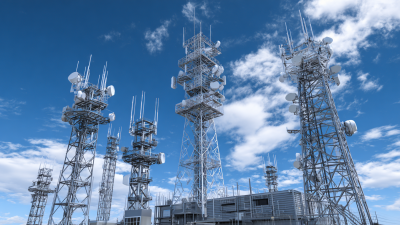
Dielectric filters play a crucial role in communication technologies. These components help select specific frequency bands while blocking unwanted signals. They are essential in devices like smartphones and base stations. With the increase in wireless communication, their importance has surged.
In 2026, we can expect to see dielectric filters advancing in several key areas. For instance, 5G technology relies heavily on these filters. They enhance network performance by ensuring clear signal transmission. Their ability to handle high frequencies is vital for modern communication needs. However, challenges exist. Manufacturing precision is crucial, and errors can lead to significant performance issues.
Furthermore, these filters are becoming smaller and more efficient. Miniaturization benefits portable devices greatly. Nonetheless, achieving the right balance between size and performance is sometimes difficult. As technology progresses, continuous improvements in dielectric filter design are necessary. This is an ongoing journey; the industry must address these complexities to fully realize the benefits.
The Role of Dielectric Filters in Medical Imaging Systems
Dielectric filters are becoming essential in modern medical imaging systems. These filters enhance signal quality, enabling clearer and more accurate images. Their ability to selectively allow specific frequency ranges makes them vital for applications like MRI and ultrasound. Improved images lead to better diagnosis and treatment plans.
Using dielectric filters can pose challenges. The precision required in designing these filters may lead to higher costs. Additionally, a misalignment in frequency can impact imaging quality. It's crucial for engineers to continually test and refine these components. Well-designed filters can significantly reduce noise and interference, but they need meticulous calibration.
Incorporating dielectric filters in medical imaging systems provides significant advantages. They support advancements in telemedicine and remote diagnostics. Improved imaging not only speeds up the diagnostic process but also enhances patient outcomes. However, ongoing research is needed to address the challenges associated with their implementation.
2026 Top Applications of Dielectric Filters in Modern Technology - The Role of Dielectric Filters in Medical Imaging Systems
| Application Area |
Type of Dielectric Filter |
Frequency Range (GHz) |
Key Benefits |
| Ultrasound Imaging |
Thin Film Dielectric Filters |
2-20 |
High selectivity and low insertion loss |
| MRI Systems |
Dielectric Resonator Filters |
100-300 |
Improved signal integrity and reduced noise |
| CT Scanners |
Bandpass Filters |
50-100 |
Enhanced image resolution and contrast |
| X-ray Imaging |
Interference Filters |
30-50 |
Optimized energy levels for better imaging |
| Telemedicine |
Wideband Filters |
0.1-10 |
Flexible communication and real-time data transfer |
Advancements in Dielectric Filters for Lighting and Display Solutions
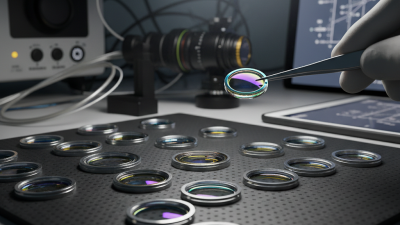
Dielectric filters have become vital in optimizing lighting and display technologies. These filters excel in controlling light wavelengths, leading to improved color accuracy and brightness. Their unique properties allow for precise tuning, enabling better performance in modern displays. For instance, they can significantly enhance the visual quality of LED screens, making colors more vivid.
Recent advancements highlight their use in energy-efficient lighting solutions. Technologies like OLED depend heavily on dielectric filters for effective light management. This usage not only boosts the efficiency of the lighting but also enhances the overall experience for users. However, the complexity of integrating these filters into existing systems remains a challenge.
While dielectric filters show promise, there are areas for further exploration. The reliability of these filters in varying environmental conditions requires thorough testing. Researchers must explore potential degradation over time. Continuous improvements in manufacturing processes are necessary to ensure consistency. This evolving field calls for collaboration to address existing limitations and push the boundaries of technology.
Future Trends and Innovations in Dielectric Filter Technology
Dielectric filters are becoming indispensable in modern technology. As we look towards 2026, we see a surge in demand for efficient, compact solutions. These filters are crucial in telecommunications, satellite communications, and radar systems. They enhance signal quality and reduce interference. However, the reliance on these systems poses challenges in design and manufacturing.
Future innovations in dielectric filter technology are promising. Researchers are exploring new materials that can improve frequency response. This could lead to lighter, more adaptable filters. Yet, the path is not straightforward. Challenges like fabrication precision and material durability must be addressed. The development of AI-driven simulations may help streamline these processes.
Another exciting area is the integration of dielectric filters into wearable technology. This trend has the potential to revolutionize consumer electronics. Here, performance and size constraints become critical. As we innovate, we must remain cautious of potential drawbacks. Striking a balance between technology and usability is essential.