Top High Power Filters for 2026 Global Buyers Guide?
As technology continues to advance, the demand for effective High Power Filters is growing rapidly. These filters play a crucial role in a variety of industries, ensuring that electrical systems operate smoothly and efficiently. The increasing complexity of power systems demands reliable solutions to manage unwanted noise and harmonics.
In this guide, we will explore the top High Power Filters available for global buyers in 2026. We will highlight options that combine high performance with affordability. Each product featured has been evaluated based on reliability, customer feedback, and technical specifications. It’s essential to choose filters that not only meet your needs but are also proven to perform well in real-world applications.
Consider the various factors that influence your selection. What power ratings are required? How do these filters address specific issues within your system? It's important to reflect on your unique requirements and the long-term benefits of investing in quality High Power Filters. Making informed choices in this area can significantly enhance system performance and longevity.

Top High Power Filters: Understanding Their Role in Modern Technology
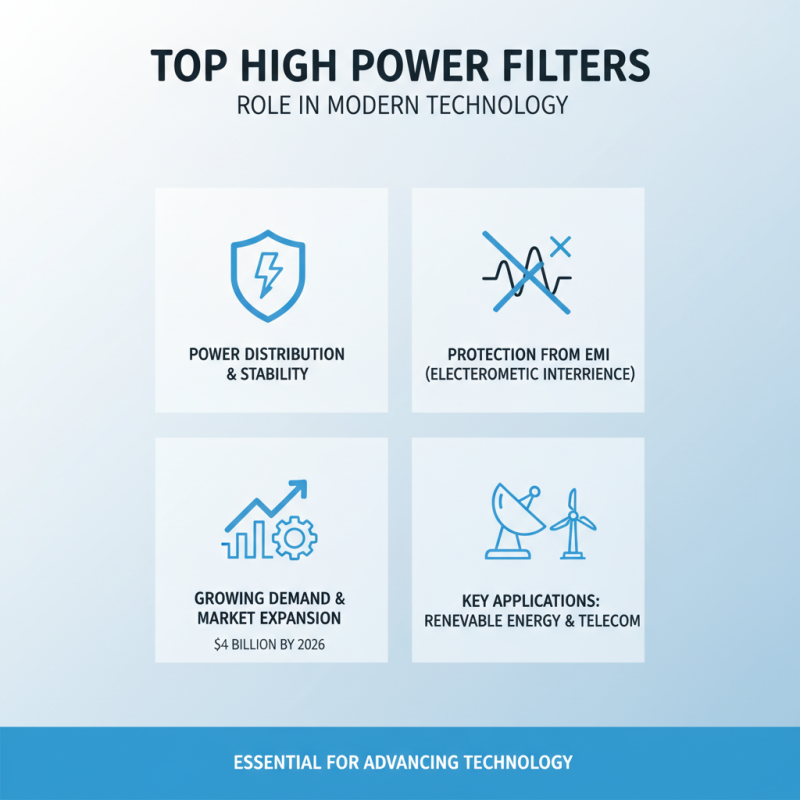
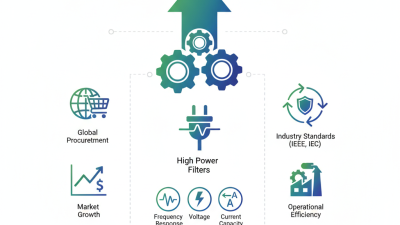
High power filters play a crucial role in modern technology. They are essential for managing power distribution, ensuring stability, and protecting devices from electromagnetic interference. As technology evolves, the demand for high power filters continues to grow. According to a recent industry report, the global market for high power filters is expected to exceed $4 billion by 2026. This rapid expansion underscores their importance in various applications, from renewable energy systems to telecommunications.
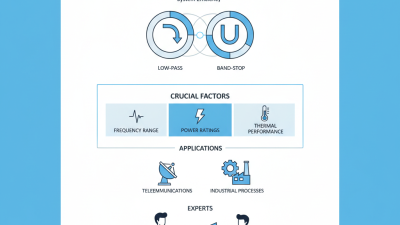
Understanding the different types of high power filters is vital. Passive filters, for example, utilize inductors and capacitors to reduce noise without needing external power. Active filters, on the other hand, require energy to operate and can adapt to changing conditions. The choice between these options depends on the specific application and user needs. Industry experts emphasize that selecting the right filter can significantly enhance system efficiency.
Tip: When evaluating options, consider factors like frequency range and load requirements. This ensures that you address the unique challenges of your application. It's also worth noting that many users overlook the maintenance of these filters, which can lead to inefficiencies over time. Regular checks and updates can help maintain optimal performance.
Tip: Be mindful of emerging technologies. Innovations in filtration techniques may offer new solutions that traditional filters cannot. This ongoing evolution requires continuous learning and adaptation.
Key Metrics for Selecting High Power Filters: Efficiency and Performance
When selecting high power filters, two key metrics stand out:
efficiency and performance.
Efficiency is often measured by the filter's ability to minimize loss and maximize throughput. For instance, filters with an efficiency rating of over
95% are preferred in critical applications. Reportedly, these filters lead to a substantial
decrease in energy consumption. This is crucial as power levels continue to rise, particularly in industrial sectors and advanced technologies.
Performance is another essential factor. This includes not only the filtering capabilities but also thermal stability
and frequency response. Recent studies indicate that filters with a higher thermal threshold can operate more effectively under demanding conditions.
For example, filters designed for high-frequency applications should exhibit a flat frequency response up to
1 GHz to be deemed reliable. Yet, a gap remains in the market for comprehensive data on long-term performance.
Current reports suggest that while some products excel under peak conditions, others may face challenges over extended periods.
Understanding these variations will enable buyers to make informed decisions for 2026 and beyond.
Trends in High Power Filter Technology: Innovations for 2026 and Beyond
As we approach 2026, high power filter technology is set for rapid evolution. Emerging trends indicate a shift towards enhanced miniaturization. These changes will address growing demands in telecommunications and renewable energy sectors. According to industry reports, the global high power filter market is projected to grow by 6% annually, driven by innovations in materials and design.
One significant innovation is the integration of artificial intelligence in filter design. AI can optimize performance, leading to more efficient energy consumption. Advanced simulation software allows engineers to predict filter behavior under various loads. This level of precision was previously unattainable and opens new avenues for power management.
Tips for buyers: When evaluating high power filters, consider the frequency response graphs. Look for products with a flat response curve to minimize signal distortion. Additionally, check for certifications that validate performance claims. These aspects assure quality and reliability.
While innovations are promising, challenges remain. High power filters must meet stringent safety standards as they become less bulky. Therefore, ongoing testing is necessary to ensure long-term durability in demanding environments. Always stay informed about the latest certifications and industry standards.
Market Analysis: Leading High Power Filter Manufacturers and Their Offerings
The high power filter market is evolving rapidly. Manufacturers are innovating to meet the rising demand for efficient power management. In 2026, buyers will seek high-quality filters that ensure reliability and safety. Analyzing the offerings of leading manufacturers reveals a focus on advanced technologies and designs. These companies often prioritize performance in high-stress environments.
Quality is crucial. However, not all high power filters are created equal. Some manufacturers may overstate performance metrics. Buyers need to conduct thorough research. Understanding unique specifications and compatibility is essential. The market offers various solutions, but not every option is suitable for all applications.
Prospective buyers should assess their specific needs before committing. Moreover, trends indicate a push towards sustainability. Many companies are exploring eco-friendly materials in their designs. This shift reflects a growing awareness of environmental impact.
However, it can lead to trade-offs in performance. Finding the right balance between eco-friendliness and efficiency remains a challenge for manufacturers and buyers alike. This evolving landscape requires keen attention and adaptability.
Regulatory Standards Impacting High Power Filters for Global Markets in 2026
Regulatory standards play a crucial role in shaping the market for high power filters. As we move into 2026, these guidelines will continue to evolve. Compliance with international standards ensures product safety and effectiveness. Manufacturers face the challenge of adapting to these changes while maintaining quality.
In many regions, stricter regulations require more robust testing procedures. This increases the complexity of product development. Companies must invest in research and development to meet these demands. Understanding local requirements is essential for success in global markets. Navigating these diverse regulations can be daunting, yet it presents opportunities for innovation.
Manufacturers must also consider the environmental impact of their products. Sustainable design is becoming a priority due to growing public awareness. This shift can affect production costs and market competitiveness. Companies should reflect on their practices and strive for improvement. Balancing compliance, innovation, and sustainability will define the future of high power filters.